Georgian food is not a side activity on your trip — it is the social engine. Understanding a few dishes, toasts, and pacing rules will make every meal feel intentional instead of overwhelming.
Start with the classics
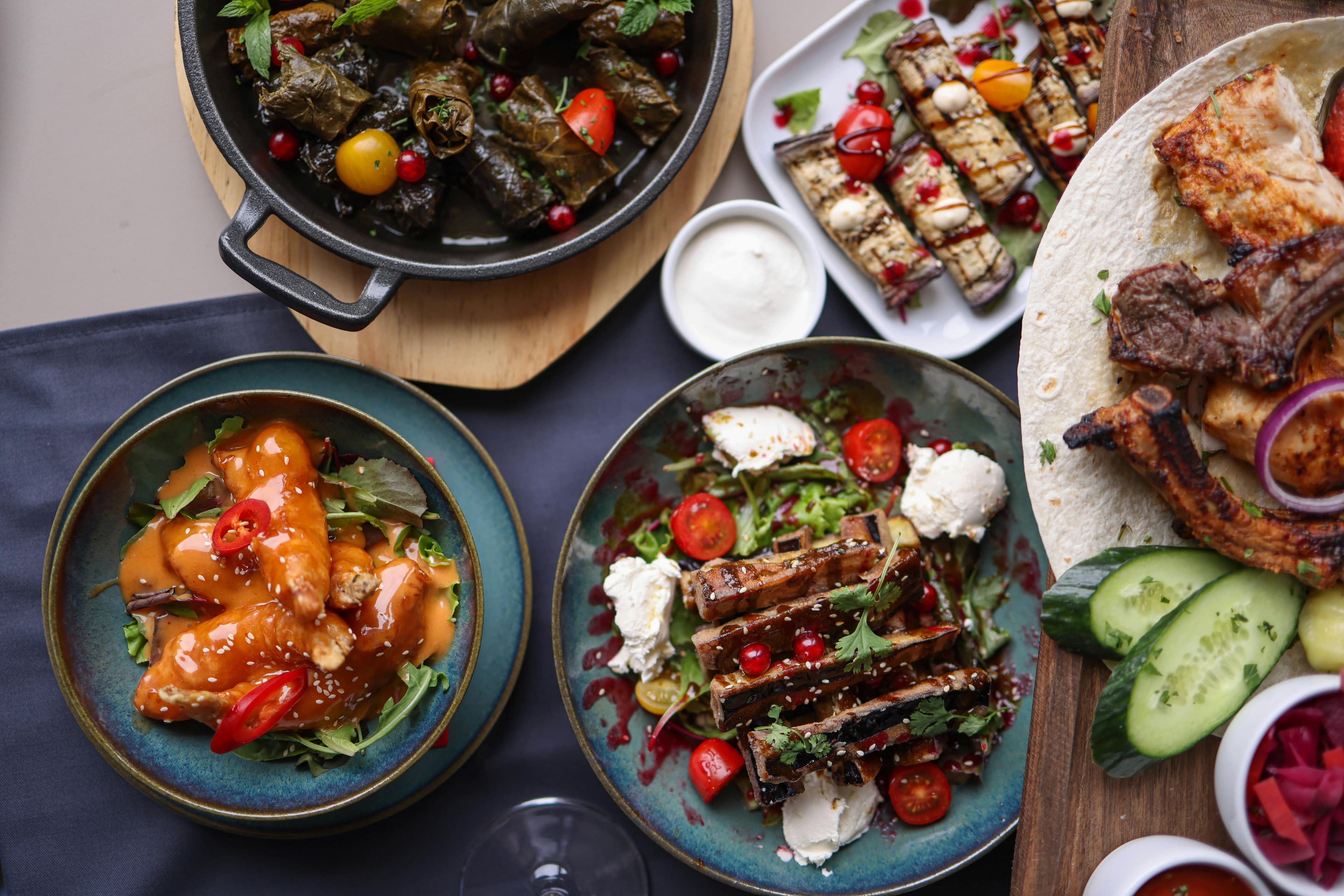
Khachapuri and khinkali are cultural anchors, not checklist items. In Tbilisi, try both in a neighborhood spot before chasing “famous” restaurants. In the regions, look for versions tied to local ingredients — Imeretian cheese styles, mountain herb fillings, and seasonal produce on the side.
Understand supra culture
A supra is a structured feast: toasts, conversation, and pacing matter as much as the food. If you are invited, eat steadily rather than finishing plates quickly. Declining wine is acceptable; declining engagement is not. The goal is presence — meals can run long, so avoid scheduling tight plans immediately after.
Pair with local wines
Georgia’s qvevri tradition produces amber, structured wines that surprise first-time visitors. Ask hosts what they would pair with your dish instead of defaulting to international varietals. For lighter lunches, try crisp whites; for grilled meats and stews, lean into amber or semi-sweet styles depending on the kitchen.
Build a realistic food day
One big lunch plus a light evening works better than two heavy feasts. Walk between neighborhoods in Tbilisi, add a market stop, and keep one “flex” hour for coffee or dessert. If you are driving to Kakheti, plan lunch near wineries and return before dark when possible.